


| Issue |
Int. J. Simul. Multidisci. Des. Optim.
Volume 17, 2026
Recent Advances in Hyperparameter Tuning for Machine Learning Models
|
|
|---|---|---|
| Article Number | 6 | |
| Number of page(s) | 25 | |
| DOI | https://doi.org/10.1051/smdo/2026001 | |
| Published online | 17 March 2026 | |
Research Article
An evaluation of sustainable development levels in cities using multi-criteria decision-making methods: a case study of three major Vietnamese cities
1
The University of Danang – University of Science and Technology, 54 Nguyen Luong Bang Street, Danang, Viet Nam
2
The University of Grenoble Alpes, CNRS, Grenoble INP, Laboratoire G-SCOP, 46 Av. Félix Viallet, 38000 Grenoble, France
* email: This email address is being protected from spambots. You need JavaScript enabled to view it.
Received:
5
November
2025
Accepted:
7
January
2026
Abstract
Evaluating and ranking the sustainability levels of cities is a complex decision-making task that plays a crucial role in supporting urban management. This study investigates the application and comparison of Multi-Criteria Decision-Making (MCDM) methods in the assessment of urban sustainability. Based on a comprehensive review of existing studies in the field of sustainable development, the research identifies prevailing trends in the use of MCDM approaches and reveals that their application in specific national contexts — particularly in Vietnam — remains limited. To address this gap, multiple MCDM techniques are applied to evaluate and compare the sustainability levels of three major Vietnamese cities — Hanoi, Can Tho, and Ho Chi Minh City — using a framework based on 17 United Nations Sustainable Development Goals (SDGs). The results are further examined through sensitivity analysis to identify key criteria influencing the evaluation outcomes and the robustness of results. The findings demonstrate that different MCDM approaches vary results due to their data-processing mechanisms and decision logic, highlighting the importance of a multi-method approach. Overall, the study provides a robust decision-support framework that can assist urban planners in promoting sustainable urban development in Vietnam and other similar contexts.
Key words: multi-criteria decision-making (MCDM) / sustainable urban development / AHP / TOPSIS / PROMETHEE / ELECTRE
© T.-H.-G. Tran et al., Published by EDP Sciences, 2026
 This is an Open Access article distributed under the terms of the Creative Commons Attribution License (https://creativecommons.org/licenses/by/4.0), which permits unrestricted use, distribution, and reproduction in any medium, provided the original work is properly cited.
1 Introduction
Sustainable development is considered as the process of meeting present needs without compromising the ability of future generations to meet their own, requiring a balance between economic growth, social progress, and environmental protection [1]. This makes the decision-making process in sustainable projects inherently complex. To address this complexity, various multi-criteria decision-making (MCDM) methods have been applied to support sustainable development planning. The MCDM system encompasses a wide range of methods that can be broadly categorized into three groups [2]. The first group includes basic methods, which are simple in design, easy to implement, and apply linear weighting schemes (e.g., WSM, WPM); second, composite indicator-based methods rely on aggregated indicators for more systematic and transparent decision-making. The third is a group of ranking-based methods, which prioritize alternatives based on multiple criteria. Many studies have utilized various MCDM approaches to support decision-making and evaluate sustainable development-related issues [3, 4].
On September 25, 2015, the 2030 Agenda for Sustainable Development was unanimously adopted by the United Nations. This agenda includes 17 sustainable development goals (SDGs) and 169 specific targets. It calls for global cooperation to address shared challenges, aiming for a just, prosperous, and sustainable world where no one is left behind. Vietnam has made notable progress in implementing the 2030 Agenda for Sustainable Development. According to statistics, Vietnam currently ranks 54th out of 166 countries in terms of sustainable development, a rise of 34 positions since 2016. Despite these advances, Vietnam still faces challenges such as development disparities, rapid urbanization, and environmental pressures. Therefore, evaluating and ranking the level of sustainable development of cities has become essential.
First, this study conducts a literature review of the past 10 yr to identify trends in the application of MCDM methods in sustainable development. From an initial pool of 239 relevant articles, we carefully reviewed the abstracts to select 92 studies focusing on the application of one of the MCDM methods relating to sustainable development projects. Based on these studies, it is evident that the application of MCDM in case studies remains relatively limited, particularly within Asian contexts (specifically with no documentation in Vietnam). Moreover, most of these studies tend to apply individual MCDM methods in isolation, without comparing or cross-validating the results across different methods. This can reduce the accuracy and objectivity of the findings and limit the persuasiveness of the conclusions.
In the second section, this study aims to address the problem of evaluating and ranking the level of sustainable development among three Vietnamese cities — Hanoi, Can Tho, and Ho Chi Minh City — by integrating two groups of MCDM methods: composite indicator-based methods and ranking-based methods. Four of the most widely used techniques are employed: AHP, TOPSIS, ELECTRE, and PROMETHEE. The study adopts 28 evaluation criteria derived from 14 SDGs and uses a scientifically validated set of weights from the study by Londoño-Pineda et al. (2021) [5]. These weights reflect the relative importance of economic, social, and environmental criteria, thereby ensuring a comprehensive and objective assessment. An empirical study was conducted to collect data from three representative cities in Vietnam. The data collection process involved synthesizing official statistical reports and local development documentation and analyzing key indicators of the selected cities. Additionally, a sensitivity analysis was conducted to verify the reliability of the results. It also served as an important tool to compare the differences in evaluation outcomes among various MCDM methods and to examine the differing impacts of each criterion on the final results. The results of this study not only reflect the current state of sustainable development but also provide strategic directions to enhance urban management effectiveness in the future.
2 Material and methods
2.1 Methodology of literature review
The search string TITLE-ABS-KEY (“multi-criteria decision-making” OR “mcdm” AND “sustain*” AND “cit*” AND “AHP” OR “TOPSIS” OR “ELECTRE” OR “PROMETHEE”) was used to find journals and conference papers in English through Beluga – UGA’s online library. Initially, 239 publications were identified, but after considering only review articles published since 2015, the number was reduced to 224. The next step involved scanning abstracts and removing duplicates to further refine the results. After the initial screening process, a total of 224 articles were included in the analysis. Of these, there are 132 review articles focusing on systematizing knowledge and 92 applied studies that implemented MCDM methods. The summary table of the reviewed articles is provided in Appendix (Tab. A1).
In terms of research levels, studies can be categorized into four distinct stages: concept, model, experiment, and evaluation [6]. At the concept stage, research papers only present theoretical frameworks and outline general research directions based on a literature review. At the model stage, not only is the theory discussed, but the importance of evaluation criteria for the issue is also considered. In the experiment stage, alternative approaches are examined using hypothetical or real datasets to generate ranking results and select the most suitable option. Finally, at the evaluation stage, it is essential to assess the model’s results using supporting tools to verify the reliability of the dataset and enhance the scientific rigor of the study.
2.2 Multi-criteria sustainability assessment and sensitivity analysis
The following MCDM methods support the decision-making process in complex situations where multiple criteria must be considered simultaneously. In this study, we apply these four methods – AHP, TOPSIS, ELECTRE, and PROMETHEE – to evaluate and rank the sustainability levels of Vietnamese cities based on 28 criteria, using a set of weights inherited from a previous study. The detailed steps are presented as follows:
Step 1: Determine the criteria set [5] and alternatives.
Among the 17 SDGs set by the United Nations under the 2030 Agenda to promote global economic, social, and environmental development, we selected 14 goals relevant to the three cities under study and identified 28 corresponding evaluation criteria. These 28 criteria and their associated weights were adopted from a previous study, as referenced in Section I. The Table 1 below presents the selected goals and their corresponding criteria:
This research chooses 3 alternatives (Vietnamese cities), which are Hanoi (A1), Ho Chi Minh City (A2) and Can Tho (A3) to evaluate and rank their sustainability levels based on the aforementioned criteria set.
The selection of these three cities is not only based on their prominent socio-economic roles but also aimed at ensuring representativeness and analytical value. First, the cities were chosen to capture regional diversity, encompassing the three major geographic areas of Vietnam: the North, the South, and the Mekong Delta. Second, they exhibit distinct socio-economic characteristics: Hanoi serves as the national political and administrative center, Ho Chi Minh City is the country’s largest economic hub, and Can Tho is the central urban area of the Mekong Delta — a region that is heavily affected by climate change and faces urgent demands for sustainable development. Third, all three cities offer a high degree of data availability, ensuring consistency and reliability in evaluating sustainability indicators. Finally, these cities are actively implementing sustainable development policies, making them suitable case studies for reflecting a more comprehensive picture of urban sustainability at the national level while enhancing the generalizability, comparability, and practical applicability of the research findings.
Step 2: Apply the weights of the criteria.
The study uses a scientifically validated set of weights from the study by Londoño-Pineda et al. (2021) [5] to ensure objectivity and methodological rigor in the evaluation process. This weighting scheme was developed through a comprehensive analytical framework that integrates expert judgment and statistical validation, reflecting the balanced significance of economic, social, and environmental dimensions of sustainable development. By adopting this established set of weights, the study avoids subjective bias that may arise from arbitrary or locally assigned values and ensures comparability with previous international studies. Moreover, using a scientifically grounded weighting system enhances the credibility and reproducibility of the results, thereby strengthening the robustness of the city-level sustainability assessment.
Step 3: Determine the CR value for the weight matrix.

where

Step 4: Evaluate the alternatives using AHP, TOPSIS, ELECTRE, and PROMETHEE methods according to the formulas and determine the ranking of the alternatives.
The analytic hierarchy process (AHP) is regarded as a flexible and effective decision-support tool that helps address complex multi-criteria problems by integrating both qualitative and quantitative data. AHP enables decision-makers to identify and synthesize key factors within problems influenced by multiple variables. This method operates based on a hierarchical model, in which the overall goal is positioned at the highest level, followed by evaluation criteria, and finally, the set of alternatives. It provides a consistent assessment framework along with measurable priority indices to support the decision-making process [7].
The technique for order of preference by similarity to ideal solution (TOPSIS) is an MCDM method developed by Yoon and Hwang [8]. This method identifies the optimal alternative by determining the option that is closest to the positive ideal solution and farthest from the negative ideal solution [9]. According to Wang (2007), the positive ideal solution consists of the best attainable values of each criterion, whereas the negative ideal solution represents the worst attainable values. Based on the weights assigned to each criterion, both ideal solutions are defined. By comparing the distance coefficients of each alternative, their priority ranking can be determined [10].
The ELECTRE method addresses preference relations through pairwise comparisons of alternatives across individual criteria [11]. Several versions of ELECTRE (I, II, III, IV, etc.) have been developed; in this study, the ELECTRE III approach is applied for ranking alternatives.
PROMETHEE, short for Preference Ranking Organization METHod for Enrichment Evaluations, is an outranking-based MCDM method used to compare and select optimal alternatives in complex decision-making problems [12]. The PROMETHEE family includes PROMETHEE I, which provides a partial ranking of alternatives, and PROMETHEE II, which establishes a complete ranking. The method was originally developed by Brans and first introduced in 1982 [13]. Later, several extended versions of PROMETHEE were proposed. In this paper, the PROMETHEE II method is adopted to evaluate and rank the sustainability performance of cities in Vietnam.
The combination of the four methods is a comprehensive approach, as each method has distinct advantages that complement each other. Comparing results from multiple methods helps verify consistency, enhances objectivity in evaluation, and provides diverse perspectives for decision-making.
Step 5: Sensitivity analysis by individual criteria using total decision and stability evaluation through Monte Carlo simulation.
Indicators for assessing sustainable development.
3 Results
3.1 Findings from the literature review
Figure 1 provides a visual representation of the screening and selection process of publications conducted during the literature review. Among 92 studies, 14 remained at the conceptual stage of the implementation process, reflecting ongoing theoretical development of MCDM in sustainable development contexts. However, these articles lack practical models that would enable a more comprehensive understanding. Another 14 studies developed analytical models, indicating potential pathways for addressing sustainability-related issues. Notably, 44 empirical studies demonstrated specific real-world cases, suggesting a strong trend in applying MCDM methods to tackle practical problems using actual data. Only 20 studies conducted evaluative analyses — such as sensitivity analysis, scenario evaluation, or correlation testing — to verify the robustness and reliability of the proposed models. However, the number of such studies is still limited. These results indicate a certain degree of diversity in research levels but an evident imbalance between theoretical development and practical application.
In terms of research scope, the energy sector overwhelmingly dominates with 37 studies, followed by civil engineering and infrastructure (17 studies) and environmental studies (15 studies). Meanwhile, operations and supply chain management appeared in 11 studies. Other fields were addressed less frequently, accounting for only 9 studies in total. With urban planning — particularly that linked to the SDGs — being underrepresented, appearing in only 3 fragmented studies [14–16]. This underrepresentation shows a significant research gap in this area, underscoring the necessity for further research that incorporates MCDM into urban planning and sustainable development strategies.
Overall, the analysis demonstrates the growing adoption of MCDM methods in the field of sustainable development. However, there remains a lack of balance between theory and practical application. The scope of application is still skewed, failing to fully encompass social domains such as urban planning or broader sustainable development concerns. The absence primarily lies in studies that incorporate specific case scenarios followed by sensitivity analyses. This gap opens up promising avenues for future research to enhance the application of MCDM methods through more integrated and interdisciplinary frameworks in the planning and implementation of sustainable urban development policies. The current lack of interdisciplinary and multi-dimensional approaches highlights promising directions for future research. Such studies could enhance the application of MCDM by developing more integrated and cross-sectoral frameworks for sustainable urban development policymaking and implementation.
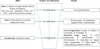 |
Fig. 1 Diagram of the literature selection process. |
3.2 Results of the multi-criteria sustainability assessment and sensitivity analysis
Step 1: Identification of criteria and alternatives.
We constructed a parameter matrix for three alternatives, represented by three Vietnamese cities: Hanoi (A1), Ho Chi Minh City (A2), and Can Tho (A3), based on a predefined set of evaluation criteria. The data were primarily collected from the General Statistics Office of Vietnam (GSO) [17–21] and several other reliable local data sources. The data collection process focused on the most recent 5-yr period (2020–2024). For each evaluation criterion, data for all three cities were collected from the same reference year to ensure data timeliness, temporal consistency, and comparability across cities within the study. This foundational step provides a basis for systematic comparison and assessment, thereby supporting a more robust and reliable decision-making process. The parameter matrix of the alternatives is presented in Table 3.
Step 2: Applying the weight set to the evaluation criteria.
Based on the weight set presented in Table 2, the relative importance of each criterion in the sustainable development assessment can be interpreted as follows.
The weight set indicates the relative importance of each criterion in the sustainable development assessment. Criteria with the highest weights (X4, X5, X6, X23) reflect significant concerns regarding public health and environmental pollution. Criteria related to education, such as (X7, X8, X9, X10, X11), have moderate weights, indicating their important but not top-priority role. The remaining criteria have lower weights, suggesting that while they remain relevant, their impact is less significant compared to health and environmental factors. Overall, the weight set reflects a clear prioritization in the evaluation process, emphasizing factors that directly affect quality of life and sustainable development.
Step 3: Calculating the consistency index for the weight set:

The consistency ratio CR = 0.0112 indicates a very high level of consistency in the weight set. Despite conducting simultaneous comparisons among 28 criteria, the CR remains exceptionally low, demonstrating that the evaluation of the criteria is both objective and reliable. Therefore, adopting the weight set from previous research is entirely appropriate. This approach not only saves time but also ensures scientific rigor in the analysis.
Step 4: Evaluating alternatives using various methods.
Using the weight set and the parameter matrix collected by the team, we proceeded to rank the alternatives according to four methods. In this process, the weights of the criteria were adopted from Londoño-Pineda et al. (2021), representing the relative importance of economic, social, and environmental dimensions. Meanwhile, the performance values of the alternatives (A1, A2, A3) were calculated by the research team based on the collected parameter matrix Table 4.
Parameter matrix of the alternatives.
– AHP method
After calculating the total score for each alternative, we determined the ranking of the alternatives as presented in Table 5.
Calculation steps of the AHP method.
Ranking of alternatives based on AHP.
– TOPSIS method
Based on the parameter matrix in Table 3, the decision matrix was normalized. The results are as follows by Table 6.
After obtaining the normalized matrix, the necessary parameters were calculated, and the results are as follows by Table 7.
Based on the calculated results above, the ranking of the alternatives can be clearly determined as follows by Table 8.
Normalization of the decision matrix.
Calculation steps of the TOPSIS method.
Ranking of alternatives based on TOPSIS.
– ELECTRE III method
The steps for determining thresholds, the concordance matrix, and the discordance matrix are provided in Appendix (Tabs. A2, A3, and A4).
From there, the credibility matrix was determined as follows by Table 9.
The construction of the Z1 sequence and the Z2 sequence were carried out using the descending and ascending distillation processes, respectively.
With γ = 0.6, we obtain the matrix T1:
To rank the alternatives, the strengths and weaknesses of each alternative are calculated to determine the differences, which are then used to establish the ranking.
From the difference values, the Z1 sequence can be arranged as B → C → A.
With β = 0.8, we obtain the matrix T2:
Similarly, the strength and weakness differences between the alternatives are calculated.
From the difference values, the Z2 sequence can be arranged as B → C → A.
From the two sequences, the rankings of the alternatives are determined as follows.
Credibility matrix.
Matrix T1.
Strength and weakness differences based on T1.
Matrix T2.
Strength and weakness differences based on T2.
Ranking of alternatives based on ELECTRE.
– PROMETHEE method
First, the preference functions for each pair of alternatives were determined and are attached in Appendix (Tab. A5).
After identifying the preference functions for each pair, these values were aggregated to provide an overall view of the priority level of each alternative compared to the others.
Aggregated preference function matrix.
Preference flow for the alternatives.
Ranking of alternatives based on PROMETHEE.
– Result analysis
After performing the calculations using the four methods, the consolidated results are presented in the following Table 17.
The research findings, as presented in Table 18, indicate that Ho Chi Minh City (A2) ranks highest under three methods (AHP, TOPSIS, and ELECTRE), whereas Hanoi (A1) achieves the top position according to the PROMETHEE method. The relative positions of Can Tho (A3) and Hanoi vary depending on the specific MCDM technique applied, demonstrating that the analytical logic inherent to each method influences the final ranking outcomes. The primary factors contributing to these differences include the initial criterion weights, data-processing mechanisms, and the ranking principles distinctive to each method.
First, regarding the weight matrix and the three cities’ dataset, the high prioritization of economic and social criteria provides Ho Chi Minh City with a substantial advantage in several methods, as the city performs exceptionally well in growth, employment, and health–education indicators. For instance, its strong performance in child vaccination rates (x4), child mortality rates (x5), and notably HIV/AIDS mortality rates (x6) yields significant benefits in methods that rely heavily on criterion weights and distance measures, such as AHP and TOPSIS. Thus, x4, x5, and x6 can be considered the most sensitive criteria, exerting major influence on the ranking of the three cities. Moreover, the environmental criterion with the highest weight — PM2.5 concentration (x23) — creates a sharp differentiation among the three cities: Can Tho (A3) exhibits the best value, followed by Ho Chi Minh City (A2), while Hanoi (A1) records the highest PM2.5 levels. This disparity largely contributes to Hanoi’s lower rankings under methods such as AHP and ELECTRE.
Second, employment-related indicators such as the unemployment rate (x17) and underemployment rate (x18) — which receive the second-highest weight in the weighting scheme — contribute to Hanoi (A1) attaining the top position in PROMETHEE. The city’s lower unemployment and underemployment levels, compared to Ho Chi Minh City (A2) and Can Tho (A3), increase the positive outranking flows for A1. This explains why A1 rises to the highest rank in PROMETHEE, even though it occupies relatively lower positions in AHP and TOPSIS.
In terms of data-processing mechanisms and ranking principles, the AHP method employs a relatively straightforward approach by aggregating the weighted scores of alternatives across all criteria. As a result, the final rankings are heavily influenced by the criteria groups assigned higher weights. In this study, the healthcare sector received a high weight, which favored Ho Chi Minh City — an urban center with well-developed medical infrastructure — leading it to outperform the other two cities in the ranking.
TOPSIS is sensitive to the presence of extreme values (both maximum and minimum); therefore, a criterion with an exceptionally high or low value can significantly affect the ranking results. In this study, TOPSIS continued to rank Ho Chi Minh City first, owing to its well-balanced performance across all economic, infrastructural, and development-related criteria. Hanoi ranked second due to its higher scores in certain aspects such as quality of life and social development, placing it closer to the ideal solution compared to Can Tho. Given these characteristics, both AHP and TOPSIS are suitable for comprehensive evaluations that involve multiple criteria, especially in complex decision-making contexts where criterion weights significantly influence the outcomes and a balance among economic, social, and environmental dimensions is required.
In the ELECTRE method, Ho Chi Minh City remained the top-ranked alternative; however, unlike TOPSIS, this method is based on the principle of outranking and emphasizes the dominance relationships between alternatives rather than establishing an absolute ranking. Ho Chi Minh City secured the leading position because, in most pairwise comparisons, it outperformed both Hanoi and Can Tho in several key criteria, such as GDP and infrastructure investment. Specifically, A2 shows a higher tertiary education enrollment rate (x9) compared to the other two cities, reflecting a superior quality of human capital. The city also performs strongly in household computer ownership (x28) and Internet coverage (x21), both of which carry substantial weights and directly strengthen pairwise dominance relations in ELECTRE. In addition, its lower agricultural land ratio (x22) indicates a higher degree of urbanization, giving Ho Chi Minh City an advantage over Can Tho when evaluating cost-type criteria. Consequently, Ho Chi Minh City achieves higher concordance levels in most pairwise comparisons, allowing ELECTRE to rank it first, despite Hanoi and Can Tho exhibiting individual strengths in certain other criteria. Since ELECTRE focuses primarily on outranking relationships, it is particularly well-suited for applications such as tender evaluation, investment project selection, and strategic decision-making — contexts in which criteria may not be directly comparable and vary in terms of influence.
PROMETHEE was the only method that ranked Hanoi as the top alternative. This outcome is attributed to the fact that PROMETHEE not only considers proximity to an ideal solution but also incorporates preference functions to assess the dominance between alternatives, placing higher importance on criteria such as quality of life and environmental conditions, areas where Hanoi performs relatively well. As a result, Ho Chi Minh City did not maintain the leading position under this method. This suggests that PROMETHEE is more sensitive to criteria with lower weights, particularly environmental factors, which leads to a shift in rankings compared to other methods. PROMETHEE is therefore more suitable for urgent or specialized decision-making contexts such as environmental impact assessments, resource allocation, and policy formulation, where criteria have varying levels of priority and must be evaluated according to specific contextual needs.
Based on the above results, it is evident that no single method can be considered universally optimal; rather, the choice of method should depend on the specific characteristics of the problem and the decision-making requirements.
Step 5: Sensitivity analysis by individual criteria using total decision software and stability evaluation through Monte Carlo simulation.
Summary of results.
– Sensitivity analysis by criterion
After analyzing the sustainability ranking results of the three cities, a sensitivity analysis was conducted for 28 criteria using the Total Decision Software. This software enables the assessment of the impact of each of the 28 criteria on the ranking outcomes of alternatives within the AHP ranking method. Based on the extent of change observed among the alternatives, the sensitivity analysis chart indicated that criterion X6 (mortality rate for HIV–AIDS) is the most sensitive, exerting the greatest influence on the ranking results.
According to Figure 2 above:
The Y-axis represents the scores of the alternatives.
The X-axis shows the variation in the weight of criterion x6, ranging from 0% to 100%.
The initial ranking of the alternatives is indicated by the vertical red dashed line.
As the weight of criterion x6 increases, the score of Ho Chi Minh City tends to rise significantly, whereas Can Tho’s score noticeably decreases, and Hanoi’s score is relatively less affected. Consequently, the intersection point occurs at a weight of 20%, representing the threshold at which the rankings of Hanoi and Can Tho switch.
When the weight of x6 decreases, the scores of Hanoi and Can Tho slightly increase, while Ho Chi Minh City’s score tends to decline. The crossover point at a weight of 8% marks the threshold where the rankings of Ho Chi Minh City and Can Tho change. These findings further confirm that criterion x6 is highly sensitive to weight variations and plays a critical role in assessing the sustainability levels of the cities.
Another reason for the high sensitivity of x6 is that it belongs to the group of criteria with relatively large weights in the overall AHP structure. However, sensitivity in this context should be interpreted carefully. Although ranking reversals are theoretically observed at the 8% and 20% weight levels, these values represent theoretical sensitivity thresholds rather than practically attainable conditions.
The results presented in Figure 2 indicate that if the weight of the criterion x6 reaches the threshold levels of 8% or 20%, the rankings of certain alternatives may be reversed. However, the weights currently adopted in this study are well below these threshold values. Therefore, in practical terms, the rankings remain unchanged. This also explains why the Excel-based tests presented below show no variation in the rankings when only minor adjustments are made to the weight of x6 (the results are presented in Figures 3, 4, and 5). To substantiate this claim, several analyses based on the obtained results are presented as follows.
As calculated, the initial ranking scores of Hanoi, Ho Chi Minh City, and Can Tho are 0.543, 0.627, and 0.594, respectively.
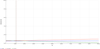 |
Fig. 2 Sensitivity analysis results for criterion x6. |
– At the 8% weight threshold
The ranking scores of Hanoi, Ho Chi Minh City, and Can Tho are 0.555, 0.600, and 0.610, respectively.
Compared with the baseline scores, Hanoi increases by 0.012 (corresponding to a maximum increase), Ho Chi Minh City decreases by 0.027 (corresponding to a maximum decrease), and Can Tho increases by 0.016 (corresponding to a maximum increase).
– At the 20% weight threshold
The ranking scores of Hanoi, Ho Chi Minh City, and Can Tho are 0.554, 0.695, and 0.570, respectively.
Compared with the baseline scores, Hanoi increases by 0.011 (corresponding to a maximum increase), Ho Chi Minh City increases by 0.068 (corresponding to a maximum increase), and Can Tho decreases by 0.024 (corresponding to a maximum decrease).
Subsequently, an analysis was conducted using Excel by adjusting the values in the original decision matrix to the minimum and maximum levels of the Saaty scale and observing the resulting variations in the ranking scores of the three cities.
The analysis results show in Figures 3, 4, 5:
The results are summarized as follows:
Hanoi: The lowest score relative to the baseline is 0.534 (a decrease of 0.009), while the highest score relative to the baseline is 0.553 (an increase of 0.01).
Ho Chi Minh City: The lowest score relative to the baseline is 0.615 (a decrease of 0.012), whereas the highest score relative to the baseline is 0.636 (an increase of 0.009).
Can Tho: The lowest score relative to the baseline is 0.586 (a decrease of 0.008), while the highest score relative to the baseline is 0.605 (an increase of 0.011).
These results demonstrate that even under extreme perturbations of expert judgments, the score variations of the alternatives do not reach the critical ranges required to trigger ranking reversals (at the 8% and 20% weight thresholds). Consequently, although criterion x6 is theoretically the most sensitive criterion, its impact on the final ranking is limited in practice, and the overall ranking structure remains stable.
This analysis further confirms that the AHP-based evaluation framework employed in this study provides a robust and reliable ranking system.
At the same time, the results indicate that the use of inherited (exogenous) weights does not have a significant influence on the final ranking outcomes of the Vietnamese cities considered in this study. Therefore, within the scope of the present research, the applied weighting scheme can be regarded as methodologically appropriate and does not introduce bias into the ranking results.
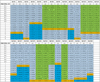 |
Fig. 3 Alternative A1 – Hanoi. |
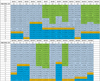 |
Fig. 4 Alternative A2 – Ho Chi Minh. |
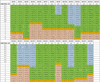 |
Fig. 5 Alternative A3 – Can Tho. |
– Monte Carlo analysis
To further examine the stability and reliability of the sustainability ranking results, we applied and analyzed the Monte Carlo simulation for the three cities. Below are the results obtained from the Monte Carlo analysis for the alternatives.
From Figure 6, it can be observed that the distribution is symmetrical with a clear peak, highly concentrated around the mean value. Hanoi has the lowest mean value among the three alternatives, indicating a lower priority according to the AHP model. However, the narrow confidence interval suggests good stability. Therefore, Hanoi exhibits a high level of stability but is not the optimal alternative in terms of performance.
In the chart for Ho Chi Minh City (Fig. 7), the mean and P-value are the highest, indicating that it is the most superior alternative. The confidence interval is also noticeably wider, resulting in a slightly right-skewed distribution, yet it remains concentrated around the mean. The combination of high reliability and narrow distribution makes this alternative the most effective and stable. Therefore, Ho Chi Minh City is prioritized as the top alternative in the sensitivity analysis.
Finally, in the chart for Can Tho (Fig. 8), the mean value is higher than that of Hanoi but lower than that of Ho Chi Minh City. The confidence interval is similar to Hanoi’s. Although Can Tho scores relatively high, its likelihood of achieving this performance is less certain compared to Ho Chi Minh City. Therefore, Can Tho represents an intermediate alternative with potential but lacks stability.
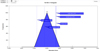 |
Fig. 6 Frequency distribution chart of Hanoi in the Monte Carlo simulation. |
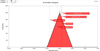 |
Fig. 7 Frequency distribution chart of Ho Chi Minh in the Monte Carlo simulation. |
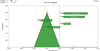 |
Fig. 8 Frequency distribution chart of Can Tho in the Monte Carlo simulation. |
4 Discussion
4.1 Discussion
In the context of rapid globalization and urbanization, evaluating sustainable development can no longer rely on isolated criteria but requires MCDM methods capable of handling complex and multidimensional information. However, a review of the literature reveals several notable research gaps. First, most existing studies focus primarily on areas such as energy, environment, or engineering projects, while urban planning and city-level sustainability assessment remain relatively limited, especially in developing countries like Vietnam. Second, the dominant use of a single MCDM method poses the risk of bias due to the specific computational nature of each tool. Finally, sensitivity analysis and robustness testing of results are often neglected, limiting the practical value of findings in public policy and sustainable investment planning.
To address these limitations, this study integrates four popular MCDM methods – AHP, TOPSIS, ELECTRE, and PROMETHEE – into a unified assessment framework, using real data from three representative Vietnamese cities: Hanoi, Ho Chi Minh City, and Can Tho. Comparing the ranking results across methods not only reveals the suitability of each tool but also reflects how each method “interprets” the concept of sustainable development from its own perspective.
AHP: Weight-oriented – emphasizing structure. AHP uses pairwise comparison matrices and predetermined weights. In this study, criteria related to healthcare and education – such as vaccination rates and school attendance – were assigned high weights, giving Ho Chi Minh City a clear advantage. However, AHP’s major drawback lies in its heavy reliance on initial weight assignment; if the weights do not adequately reflect the balance among economic, social, and environmental dimensions, the results may be skewed. Additionally, due to its additive nature, smaller criteria are often “overshadowed”.
TOPSIS: Sensitive to extremes – idealization-oriented. TOPSIS calculates the distance to an ideal and a worst-case solution. For cities with generally average performance like Ho Chi Minh City, this method produces favorable results. However, it is highly sensitive to outlier values, meaning a single very high or low indicator can distort the overall ranking. In this case, TOPSIS ranked Ho Chi Minh City highest, though this may not fully reflect Hanoi’s environmental advantages or Can Tho’s climate resilience.
Unlike AHP or TOPSIS, which rely on aggregate scores, ELECTRE compares city pairs by criterion to determine how many and to what extent one city outperforms another. Results show Ho Chi Minh City ranked highest due to its strong lead in many socio-economic indicators such as income, healthcare, and education. Can Tho ranked second, benefiting from slightly stronger economic indicators than Hanoi. Despite its environmental strengths, Hanoi ranked last because it did not sufficiently outperform other cities in pairwise comparisons. ELECTRE’s strength lies in clarifying dominance relationships between options, which is particularly useful when making competitive decisions. However, it does not reflect overall development levels and can be difficult to interpret for those unfamiliar with outranking logic.
PROMETHEE: Better criterion balance – sensitive to non-economic criteria. PROMETHEE was the only method in this study that ranked Hanoi first, reflecting its strength in highlighting environmental and quality-of-life criteria, which were underrepresented in the other methods due to lower weights. PROMETHEE employs preference functions instead of scores, making it more suitable for evaluating public policies, equitable resource allocation, and non-material values.
Conclusion: The differences in rankings across methods clearly illustrate that no single MCDM technique is universally optimal. Each method offers a different perspective on sustainable development. If a local government chooses the wrong tool, it may overlook critical aspects of sustainability – such as environmental quality in Hanoi or climate resilience in Can Tho. The findings of this study highlight that the choice of MCDM method can significantly influence policy interpretation and priority setting. Therefore, rather than relying on a single tool, policymakers should select methods that best align with their strategic objectives and data characteristics. AHP is suitable when predefined policy weights and transparent hierarchical structures are required. TOPSIS provides a clear visualization of overall performance gaps but should be complemented with sensitivity analysis to avoid distortion by extreme values. ELECTRE is useful for exploring dominance and trade-offs between alternatives, especially in comparative urban analyses. PROMETHEE, on the other hand, offers flexibility in incorporating qualitative or non-economic criteria, making it valuable for inclusive and equity-oriented planning. Finally, integrating robustness analysis across these methods can enhance result stability and strengthen decision confidence. A hybrid or ensemble MCDM framework — such as the one proposed in this study — thus represents a promising direction for achieving more balanced, evidence-based, and context-sensitive sustainability assessments.
4.2 Policy implications for urban governance
The findings of this study reveal significant disparities in the sustainability rankings of three major urban centers in Vietnam when applying different MCDM methods. This not only reflects the multidimensional nature of sustainable development but also highlights the necessity of adjusting national development policies to ensure a balanced approach across the three pillars: economic, social, and environmental.
In practice, development policies in Vietnam remain skewed toward economic growth, with insufficient attention given to social and environmental dimensions. As a result, localities with strengths in environmental quality or social well-being are often undervalued in resource allocation. This suggests that the choice of assessment tools not only affects final rankings but also influences the underlying mindset in policy formulation.
To address this issue, the national sustainability index system should be revised to better reflect regional characteristics and align with long-term strategic objectives. This includes recalibrating the weights assigned to various criteria to achieve a more balanced representation. Moreover, a policy zoning mechanism should be established based on geographic, ecological, and developmental characteristics, thereby clarifying strategic priorities for each region. Specifically:
For large urban centers such as Ho Chi Minh City, policy should aim to balance economic development with green transition, smart mobility, and the promotion of a circular economy;
In Hanoi, it is essential to maintain and enhance urban environmental quality and quality of life;
For the Mekong Delta region, with Can Tho as the central hub, policies should prioritize climate change adaptation while strengthening healthcare and social infrastructure to reduce disparities with the other two cities.
Additionally, the public budgeting and investment allocation mechanisms should be reformed toward a multi-criteria integrated approach. The use of tools such as AHP, TOPSIS, ELECTRE, and PROMETHEE in project selection, urban planning, or regional prioritization will help ensure objectivity, transparency, and alignment with comprehensive development goals. In particular, PROMETHEE, with its ability to prioritize non-economic criteria, may be effectively applied in environmental impact assessments, equitable resource distribution, and social policy formulation. The government should also enhance local autonomy in sustainable strategic planning while strengthening institutional capacity, data governance, and decision-making skills based on MCDM models. Furthermore, building open data platforms for sustainable development and integrating real-time monitoring and evaluation systems will provide a robust foundation for evidence-based policymaking.
Finally, the government should pilot and scale up regionally linked sustainability assessment models, particularly in key economic zones and high-risk areas such as the Mekong Delta. These pilot models will play a crucial role in refining decision-making tools, tailoring policies to practical contexts, and institutionalizing MCDM approaches in national policy planning and oversight. Thus, the concurrent application of multiple evaluation tools in different settings will enhance the quality of decision-making, ensure regional equity, and promote a more comprehensive, flexible, and effective pathway to sustainable development in Vietnam.
5 Conclusion
This study was conducted to develop a comprehensive and scientifically grounded evaluation framework that addresses existing limitations in assessing urban sustainability by applying and comparing four widely used MCDM methods — AHP, TOPSIS, ELECTRE, and PROMETHEE — across three major Vietnamese cities, rather than relying on a single technique. The results show a certain degree of consistency among the methods despite differences in their ranking principles. This confirms that a multi-method approach generates more objective, robust, and reliable assessments of urban sustainable development. By integrating diverse decision-making logics — from weight-based methods and distance-to-ideal solutions to outranking models and preference functions — the study provides a multidimensional perspective that more accurately reflects the inherent complexity of sustainability evaluation.
Beyond methodological contributions, the findings deepen the understanding of how different sustainability criteria influence evaluation outcomes, particularly when linked to the SDG indicator framework. The analysis indicates that criteria related to SDG 3 (good health and well-being), SDG 11 (sustainable cities and communities), and SDG 13 (climate action) play pivotal roles and strongly affect the stability of rankings. Sensitivity analysis further reveals that variations in environmental quality, healthcare services, and climate adaptation capacity can shift the relative positions of the cities. These results underscore that urban areas must prioritize public health, environmental protection, and climate resilience as foundational pillars in sustainable development strategies.
The study also demonstrates the practical value of MCDM tools for policymakers by assessing the suitability of each method for the context of urban planning and sustainable development in Vietnamese cities. The comparative results provide a transparent evidence base to support strategic decisions — ranging from resource allocation and urban planning to project selection and policy performance monitoring. Integrating multiple methods reduces dependence on a single computational logic, thereby enhancing the reliability of policy recommendations and supporting evidence-based, equitable, and SDG-aligned decision-making. Policymakers may consider establishing periodic evaluation mechanisms, applying SDG-based indicator sets to monitor sustainability progress, and prioritizing policies that promote green investment, improve healthcare services, and strengthen climate resilience.
However, despite achieving its research objectives and contributing to both theory and practice, the study still has several limitations. Although focused on core pillars of sustainable development — economic, social, and environmental — the analysis does not fully incorporate other important dimensions such as political, technical, or governance factors, which are also relevant to the SDGs. Additionally, while the use of multiple MCDM methods provides more comprehensive insights, inherent differences in computational principles and decision logics may introduce discrepancies in rankings, highlighting the need for careful method selection. Moreover, the evaluation covers only three representative cities, which may not fully capture the national landscape of urban sustainability. Although sensitivity analysis was conducted to examine the influence of key criteria on ranking stability, future research could further explore criterion-level interactions of weighting scenarios. Furthermore, the effectiveness of each MCDM method depends substantially on data quality and completeness. For example, missing or low-resolution indicators can strongly influence methods such as TOPSIS and AHP, while ELECTRE may be more flexible in handling data gaps.
Based on these findings and limitations, future research can be expanded in several directions. Instead of focusing solely on three cities, subsequent studies may include a larger number of urban areas to generate a more comprehensive national assessment of sustainability. Integrating additional methods such as VIKOR or DEA may also help validate ranking robustness. Moreover, incorporating real-time data and developing dynamic evaluation systems that continuously reflect changes in sustainability conditions could provide more accurate and timely assessments. Longitudinal studies should also be conducted to track temporal variations in sustainability indicators, thereby enabling deeper analysis of long-term urban development trends. Integrating multiple MCDM methods into a unified decision-making framework may help minimize discrepancies between individual techniques and produce more balanced and objective evaluations. The findings can be used by government agencies to formulate sustainable urban development policies, identify strategic priorities, and establish evidence-based monitoring programs that ensure progress toward greener, smarter, and climate-resilient cities. The results also offer valuable references for businesses and investors in assessing regional development potential. Importantly, tracking changes in individual indicators over time can help policymakers evaluate the effectiveness of implemented strategies and make timely adjustments to ensure future sustainability.
Overall, this study not only contributes comparative methodological insights into the application of MCDM methods but also provides a practical framework that supports policymaking, investment decisions, and sustainable urban planning in Vietnam and similar contexts, forming a foundation for evidence-based strategies that are adaptive to evolving urban challenges.
Funding
This work was supported by The University of Danang – University of Science and Technology, code number of Project: T2025-02-06.
Conflicts of interest
The authors have nothing to disclose. The authors declare that they have no known competing financial interests or personal relationships that could have appeared to influence the work reported in this paper.
Data availability statement
This article has no associated data generated or analyzed.
Author contribution statement
Thi-Hoang-Giang TRAN: Conceptualization, Methodology, supervision, Writing – original draft.
Thi-Quynh-Giang TRAN: Investigation, Data Curation, Writing – original draft.
Le-Vi-Nhan-Tam TRAN: Investigation, Writing – review & editing.
References
- G.H. Brundtland, Our Common Future: World Commission on Environment and Development (Oxford University Press, 1987). [Google Scholar]
- N.H. Zardari et al., Weighting Methods and Their Effects on Multi-Criteria Decision Making Model Outcomes in Water Resources Management (Springer, 2014). https://doi.org/10.1007/978-3-319-12586-2 [Google Scholar]
- H.-K. Chiou, G.-H. Tzeng and D.-C. Cheng, Evaluating sustainable fishing development strategies using fuzzy MCDM approach, Omega 33, 223–234 (2005) [Google Scholar]
- M. Stojčić et al., Application of MCDM methods in sustainability engineering: a literature review 2008–2018, Symmetry 11, 350 (2019) [CrossRef] [Google Scholar]
- A. Londoño-Pineda, J.A. Cano, R. Gómez-Montoya, Application of AHP for the weighting of sustainable development indicators at the subnational level, Economies 9, 169 (2021) [Google Scholar]
- T.H.G. Tran, L. Dupont, M. Camargo, Application of decision-making methods in smart city projects: a systematic literature review, Smart Cities 2, 433–452 (2019) [Google Scholar]
- T.L. Saaty, The analytic hierarchy process (AHP), J. Oper. Res. Soc. 41, 1073–1076 (1980) [Google Scholar]
- K. Yoon, C.-L. Hwang, Manufacturing plant location analysis by multiple attribute decision making: Part I—single-plant strategy, International Journal of Prod. Res. 23, 345–359 (1985) [Google Scholar]
- J.M. Benitez, J.C. Martín, C. Román, Using fuzzy number for measuring quality of service in the hotel industry, Tourism Manag. 28, 544–555 (2007) [Google Scholar]
- R. Karim C. Karmaker, Machine selection by AHP and TOPSIS methods, Am. J. Ind. Eng. 4, 7–13 (2016) [Google Scholar]
- R. Benayoun, B. Roy, N. Sussman, Manual de référence du programme ELECTRE, Note de Synthèse et Formation, no. 25 (1966). [Google Scholar]
- O. Senvar, G. Tuzkaya, C. Kahraman, Multi criteria supplier selection using fuzzy PROMETHEE method, in: Supply Chain Management under Fuzziness: Recent Developments and Techniques, Springer, 2014, pp. 21–34. https://doi.org/10.1007/978-3-642-53939-8_2 [Google Scholar]
- J.-P. Brans, R. Nadeau, M. Landry, L’ingénierie de la décision. Élaboration d’instruments d’aide à la décision. La méthode PROMETHEE, in l’Aide à la Décision: Nature, Instruments et Perspectives d’Avenir (1982, pp. 183–213) [Google Scholar]
- S. Garcia-Ayllon, E. Hontoria, N. Munier, The contribution of MCDM to SUMP: the case of Spanish cities during 2006–2021, Int. J. Environ. Res. Public Health, 19, 294 (2022) [Google Scholar]
- C. D’Alpaos, F. Andreolli, Urban quality in the city of the future: a bibliometric multicriteria assessment model, Ecol. Indic., 117, 106575 (2020) [Google Scholar]
- A.C.L. Almeida, Multi actor multi criteria analysis (MAMCA) as a tool to build indicators and localize sustainable development goal 11 in Brazilian municipalities, Heliyon, 5, e02128 (2019). https://doi.org/10.1016/j.heliyon.2019.e02128 [Google Scholar]
- General Statistics Office of Viet Nam (GSO), Statistical Yearbook of Viet Nam (2024). https://www.nso.gov.vn/ [Google Scholar]
- General Statistics Office of Viet Nam (GSO), Statistical Yearbook of Viet Nam (2023). https://www.nso.gov.vn/ [Google Scholar]
- General Statistics Office of Viet Nam (GSO), Statistical Yearbook of Viet Nam (2022). https://www.nso.gov.vn/ [Google Scholar]
- General Statistics Office of Viet Nam (GSO), Statistical Yearbook of Viet Nam (2021). https://www.nso.gov.vn/ [Google Scholar]
- General Statistics Office of Viet Nam (GSO), Statistical Yearbook of Viet Nam (2020). https://www.nso.gov.vn/ [Google Scholar]
Cite this article as: Thi-Hoang-Giang Tran, Thi-Quynh-Giang Tran, Le-Vi-Nhan-Tam Tran, An evaluation of sustainable development levels in cities using multi-criteria decision-making methods: a case study of three major Vietnamese cities, Int. J. Simul. Multidisci. Des. Optim. 17, 6 (2026), https://doi.org/10.1051/smdo/2026001
Appendix
A synthesis of the reviewed scientific articles.
Determination of thresholds.
Concordance matrix.
Discordance matrix.
Preference function for alternative pairs.
All Tables
All Figures
|
Fig. 1 Diagram of the literature selection process. |
| In the text | |
|
Fig. 2 Sensitivity analysis results for criterion x6. |
| In the text | |
|
Fig. 3 Alternative A1 – Hanoi. |
| In the text | |
|
Fig. 4 Alternative A2 – Ho Chi Minh. |
| In the text | |
|
Fig. 5 Alternative A3 – Can Tho. |
| In the text | |
|
Fig. 6 Frequency distribution chart of Hanoi in the Monte Carlo simulation. |
| In the text | |
|
Fig. 7 Frequency distribution chart of Ho Chi Minh in the Monte Carlo simulation. |
| In the text | |
|
Fig. 8 Frequency distribution chart of Can Tho in the Monte Carlo simulation. |
| In the text | |
Current usage metrics show cumulative count of Article Views (full-text article views including HTML views, PDF and ePub downloads, according to the available data) and Abstracts Views on Vision4Press platform.
Data correspond to usage on the plateform after 2015. The current usage metrics is available 48-96 hours after online publication and is updated daily on week days.
Initial download of the metrics may take a while.